
Maruti e-Vitara vs Tata Sierra EV – India’s electric SUV segment just got its most exciting face-off yet. On one side, you have the Maruti Suzuki e-Vitara — India’s most trusted carmaker finally entering the EV space with a product built for reliability and reach. On the other, the Tata Sierra EV — a nostalgic revival reborn as a futuristic electric SUV on Tata’s advanced Gen 2 Acti.ev platform. Both are set to shake up the electric SUV market in 2026, and Indian buyers are watching closely.
If you are planning to buy an electric SUV and are confused between the Maruti e-Vitara and Tata Sierra EV, this in-depth comparison on TorqueCulturee breaks down every factor — price, range, features, safety, service, and real-world usability — so you can make the right call.
Maruti e-Vitara vs Tata Sierra EV
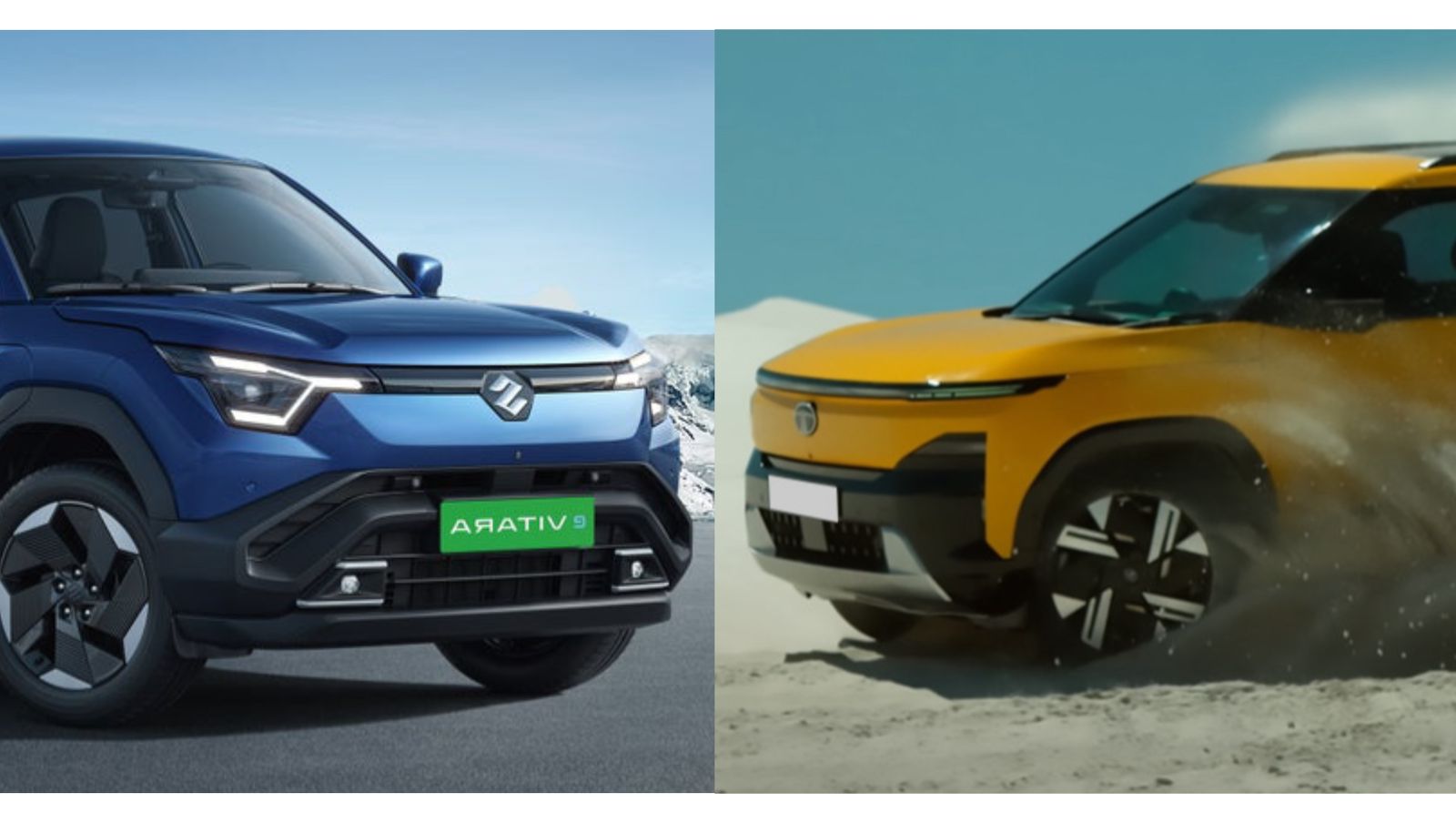
Quick Overview: At a Glance
Parameter | Maruti e-Vitara | Tata Sierra EV |
Price (ex-showroom) | Rs. 13.49 – 17.26 Lakh | Expected Rs. 15 – 25 Lakh |
Battery Options | 48.8 kWh / 61.1 kWh | Gen 2 Acti.ev Platform |
Claimed Range | Up to 543 km (61.1 kWh) | ~400–500 km (Expected) |
Safety Rating | 5-Star BNCAP | Expected 5-Star BNCAP |
ADAS | Level 2 ADAS | Level 2 ADAS (Expected) |
Service Network | Largest in India (4000+ outlets) | Tata’s growing network |
Launch Status | Launched (Feb 2026) | Expected May 2026 |
Design & Road Presence
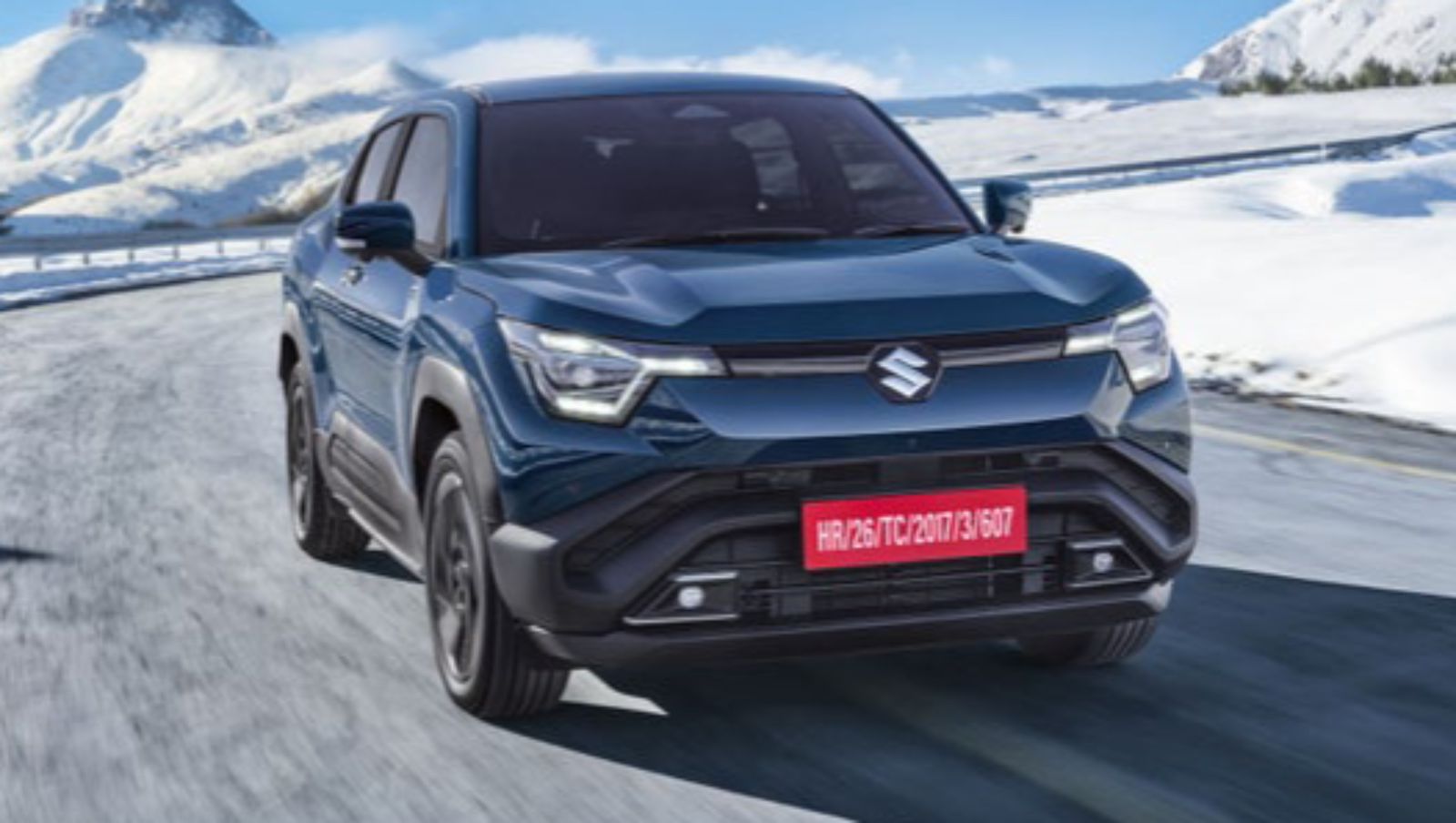
Maruti e-Vitara: Clean, Contemporary, Confident
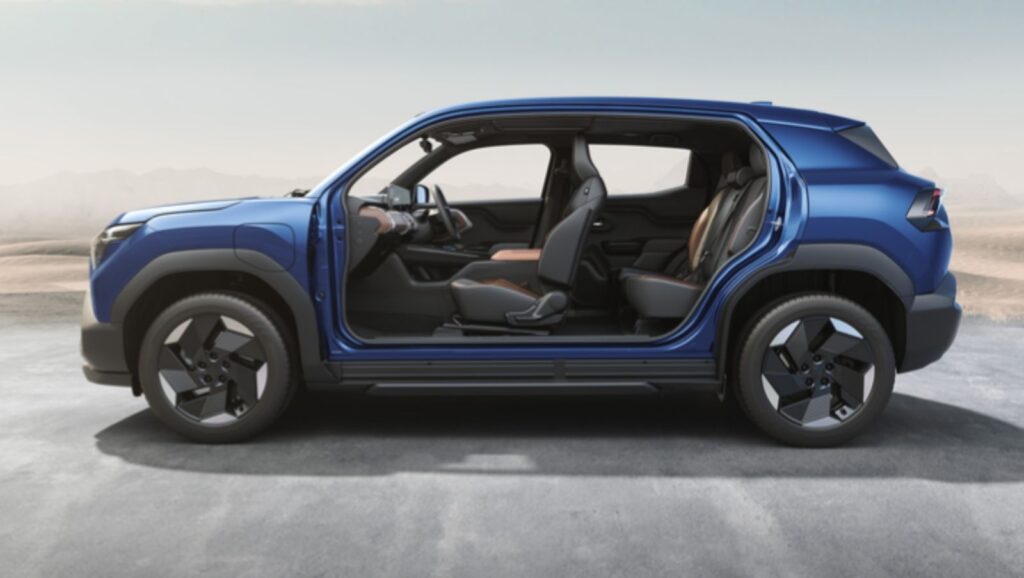
The e-Vitara brings a refreshingly modern design language to Maruti’s lineup. Measuring 4,275 mm in length with a 2,700 mm wheelbase, it features a Y-shaped LED DRL module, active air flaps, and a distinctive closed-off grille that signals its electric identity. The build feels premium, especially given Maruti’s value-focused reputation. It looks like a proper international EV — because it essentially is one, co-developed with Suzuki Japan and Toyota.
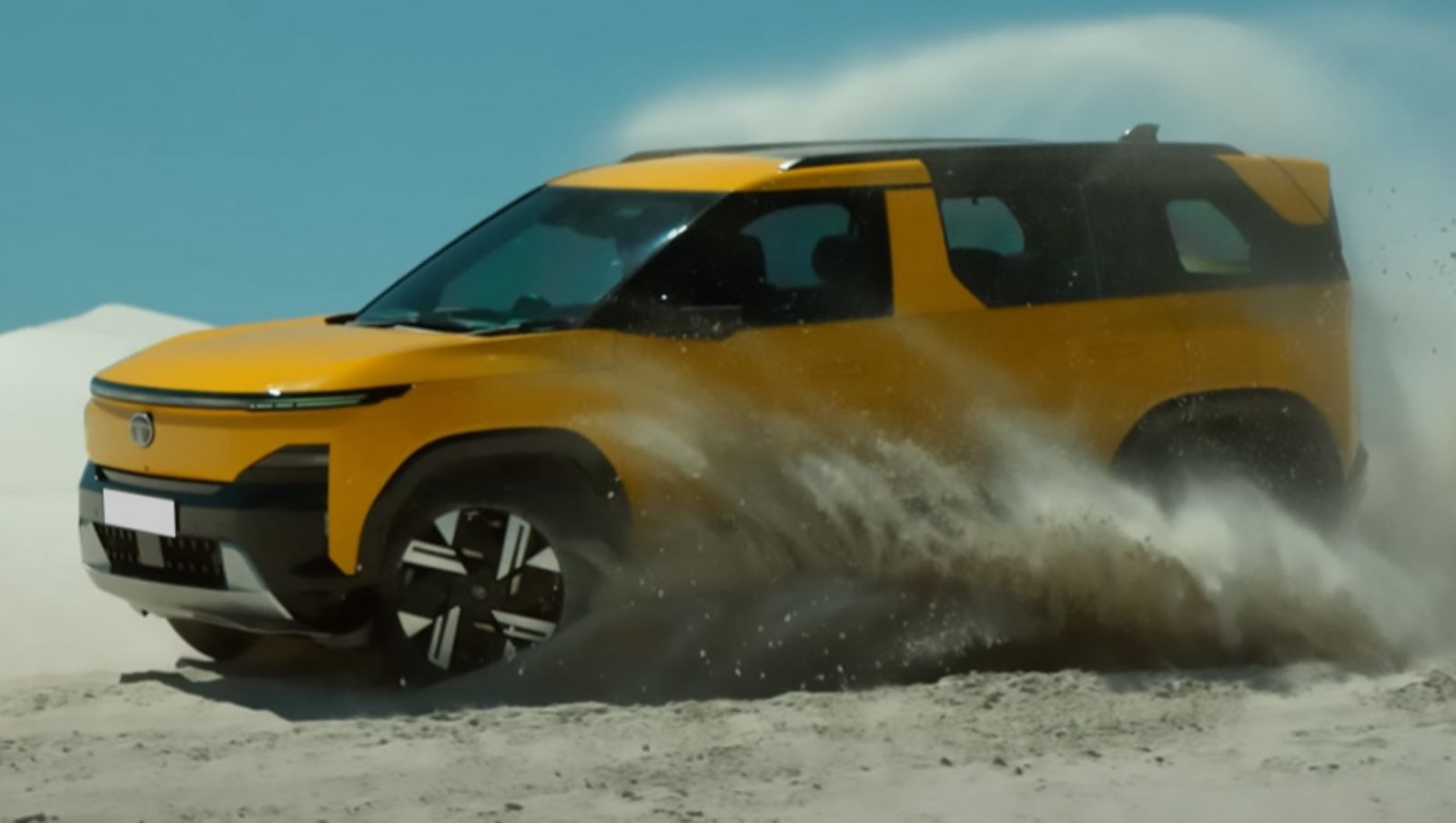
Tata Sierra EV: Nostalgia Meets Neo-Future
The Sierra EV concept has been turning heads since the 2020 Auto Expo. Its upright stance, flat bonnet, and boxy proportions are a deliberate nod to the original Sierra of the 1990s. The production version blends this retro charm with a connected LED light bar, flush door handles, and smooth surfaces that are hallmarks of Tata’s modern EV design language. On Indian roads, the Sierra EV will simply be a head-turner. It is bold, unapologetic, and completely different from anything else in its segment.
Winner on Design: Tata Sierra EV for road presence and character. e-Vitara for refined everyday appeal.
Range, Battery & Charging
The Maruti e-Vitara is already on sale and offers two battery choices: a 48.8 kWh pack with around 440 km claimed range and a 61.1 kWh pack delivering up to 543 km per the ARAI cycle. Real-world range in Indian city-highway mix conditions is expected to be around 380–480 km depending on the pack.
One standout feature is Maruti’s Battery as a Service (BaaS) option, which drops the entry price to just Rs. 10.99 lakh with an additional per-km rental charge. This is a genuine innovation that lowers the barrier to EV ownership significantly.
The Tata Sierra EV is expected to be built on the Gen 2 Acti.ev platform — the same architecture underpinning the Curvv EV and Harrier EV. Based on Tata’s track record, a real-world range of 400–500 km is plausible, but official specs are yet to be confirmed.
Winner on Range: Maruti e-Vitara (confirmed 543 km ARAI range vs Sierra EV’s expected figures).
Features & Technology
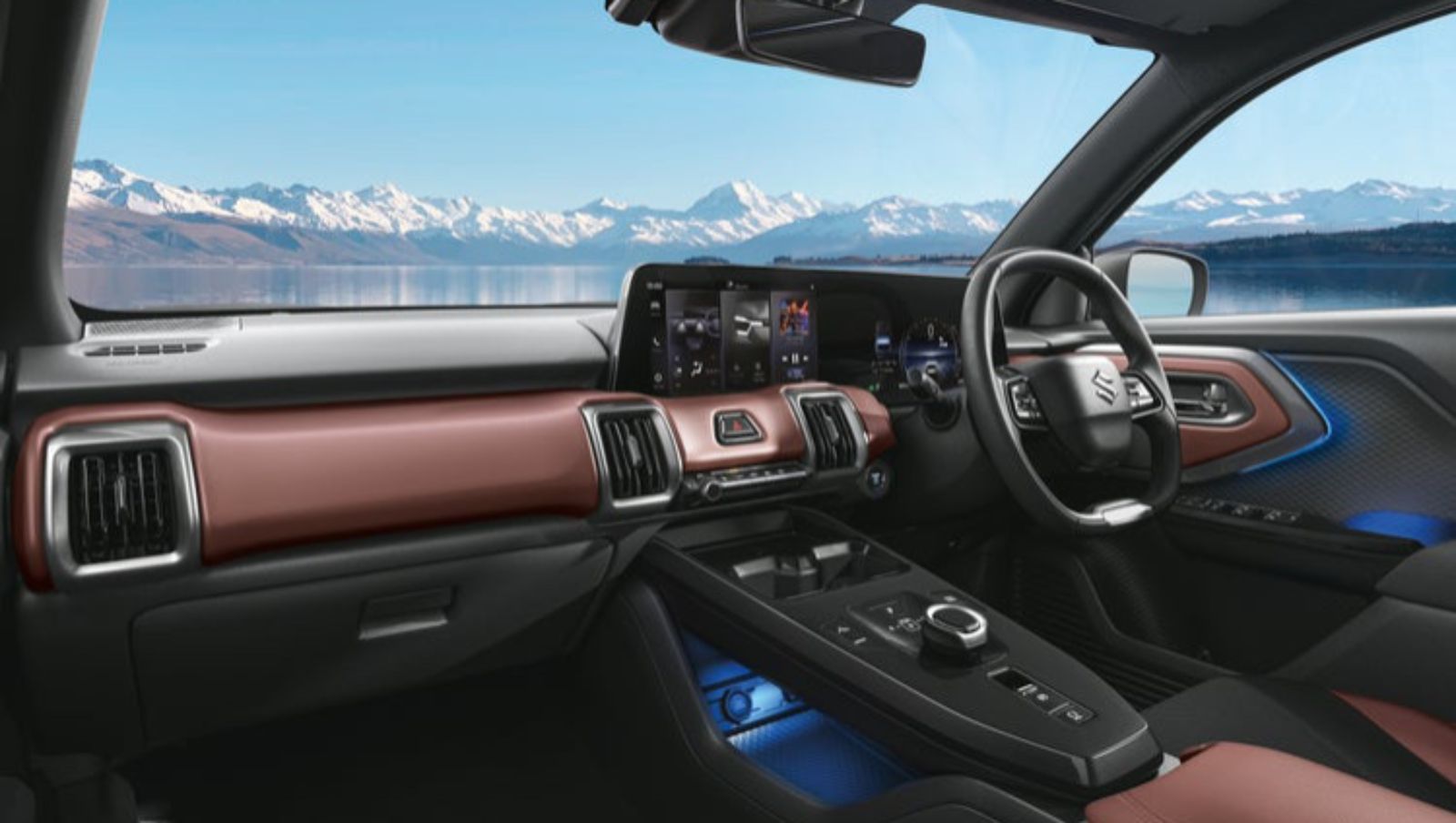
Maruti e-Vitara
- 25-inch infotainment touchscreen with Suzuki connected car tech
- Fully digital instrument console
- Panoramic sunroof and auto-dimming IRVM
- Infinity by Harman sound system
- Wireless charger and 360-degree camera
- V2X and V2L (Vehicle-to-Load) functionality
- Level 2 ADAS with 7 airbags
Tata Sierra EV (Expected)
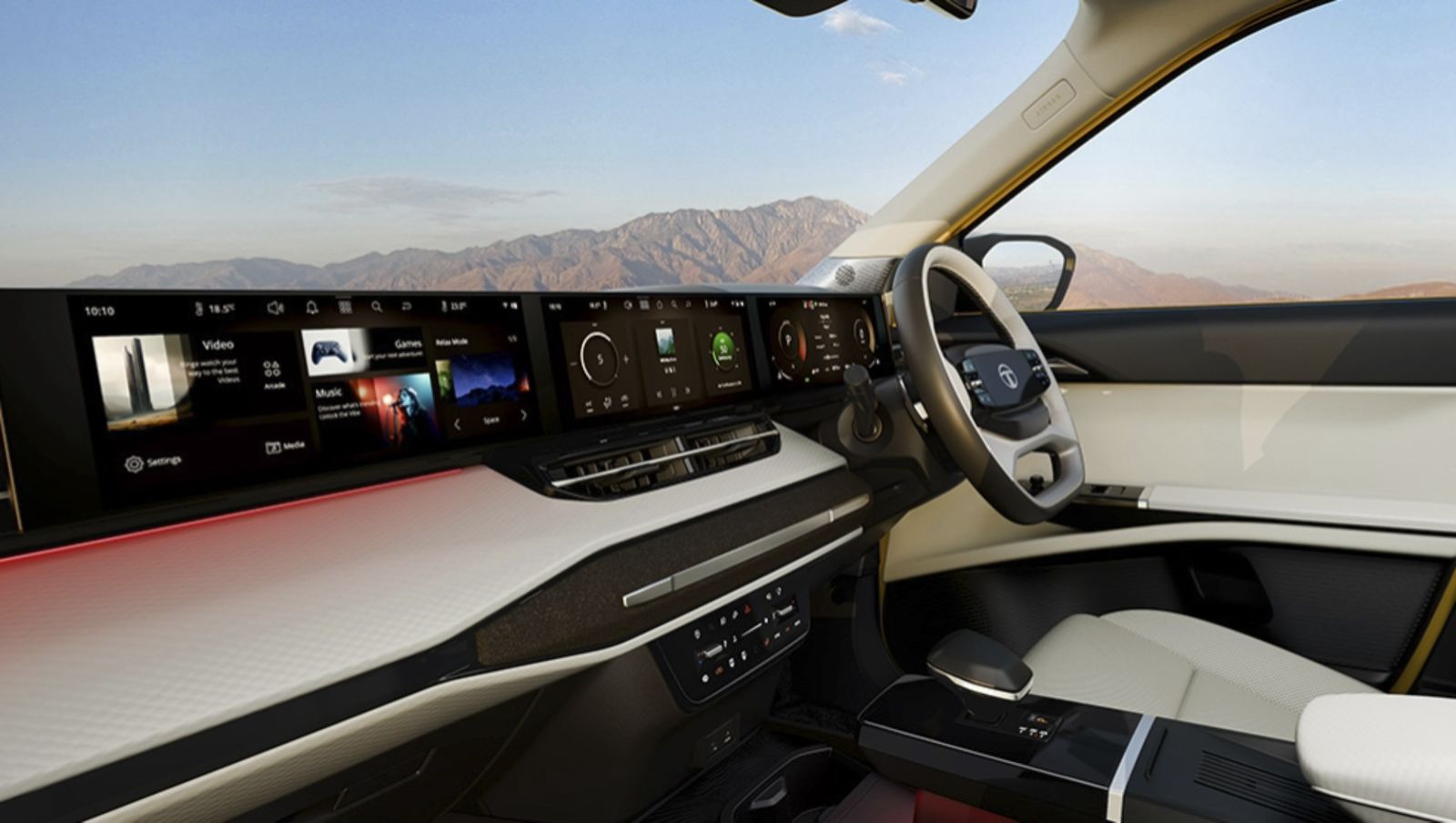
- Dual or triple screen setup (similar to Sierra ICE)
- Illuminated Tata logo on four-spoke steering wheel
- Level 2 ADAS, 360-degree camera, ESC, hill hold
- Six to seven airbags
- Minimalistic, airy cabin with wide glass panels
- TPMS and rear sunshades expected
Both cars are feature-rich by any standard. The e-Vitara has the edge with confirmed V2L capability and the Harman audio system. The Sierra EV’s triple screen setup, if it makes it to production, would be a serious wow factor.
Safety
The Maruti e-Vitara has already proven its mettle: it became India’s first electric SUV to earn a 5-star Bharat NCAP rating and scored four stars in Euro NCAP tests — impressive credentials for a mass-market EV. Standard safety equipment includes 7 airbags, ABS with EBD, traction control, ESP, and ISOFIX child seat mounts.
The Tata Sierra EV is expected to follow Tata’s tradition of strong safety scores. The Sierra ICE has already been praised for its solid build. Given Tata’s consistent performance in BNCAP tests across its lineup, the Sierra EV is likely to be a 5-star car when tested.
Winner on Safety (Confirmed): Maruti e-Vitara with its verified 5-star BNCAP score
Service Network & After-Sales Support
This is where Maruti holds a decisive advantage. With over 4,000 service touchpoints across India, including deep penetration in Tier 2 and Tier 3 cities, Maruti’s service reach is unmatched. For EV buyers in smaller towns or those worried about long-term ownership costs, this is a massive confidence booster.
Tata’s network is growing rapidly but still trails Maruti significantly. While Tata EVs have a loyal fanbase in metros, ownership in remote areas can be more challenging.
Winner on Service: Maruti e-Vitara — it is not even close.
TorqueCulturee Verdict: Which One Should You Buy?
Buy the Maruti e-Vitara if: you want a proven, feature-packed electric SUV with the longest range in its class, backed by the widest service network in India. The BaaS option also makes it genuinely accessible. It is the safe, smart, long-term choice.
Wait for the Tata Sierra EV if: you want a more distinctive, boldly designed electric SUV with the nostalgia factor and Tata’s excellent build quality. If the Sierra EV delivers on its promise in May 2026, it could be a very compelling package — especially for buyers who want their car to stand out.
Both cars represent the best of India’s growing EV ecosystem. For most buyers though, the Maruti e-Vitara’s combination of confirmed range, proven safety, and unbeatable service network makes it the more rational choice today
for more details stay tuned at torqueculturee.com
You can also read : Upcoming Toyota Cars in India
Related posts:
- Volkswagen Polo EV 2026 – All Details, Expected Launch Date
- Tata Sierra EV 2026 Testing in India – Launching Soon!
- Renault Triber 2026 India – Updated Design, More Features & Still the Most Affordable 7-Seater
- Honda Cars India Price Hike from April 2026 – What Buyers Need to Know
- Hyundai’s New Budget Electric SUV Spotted Testing in India – Creta EV Rival in the Making?