
Hybrid vs EV vs Petrol
Petrol Cars: The Safe, Familiar Choice
Who Is It For?
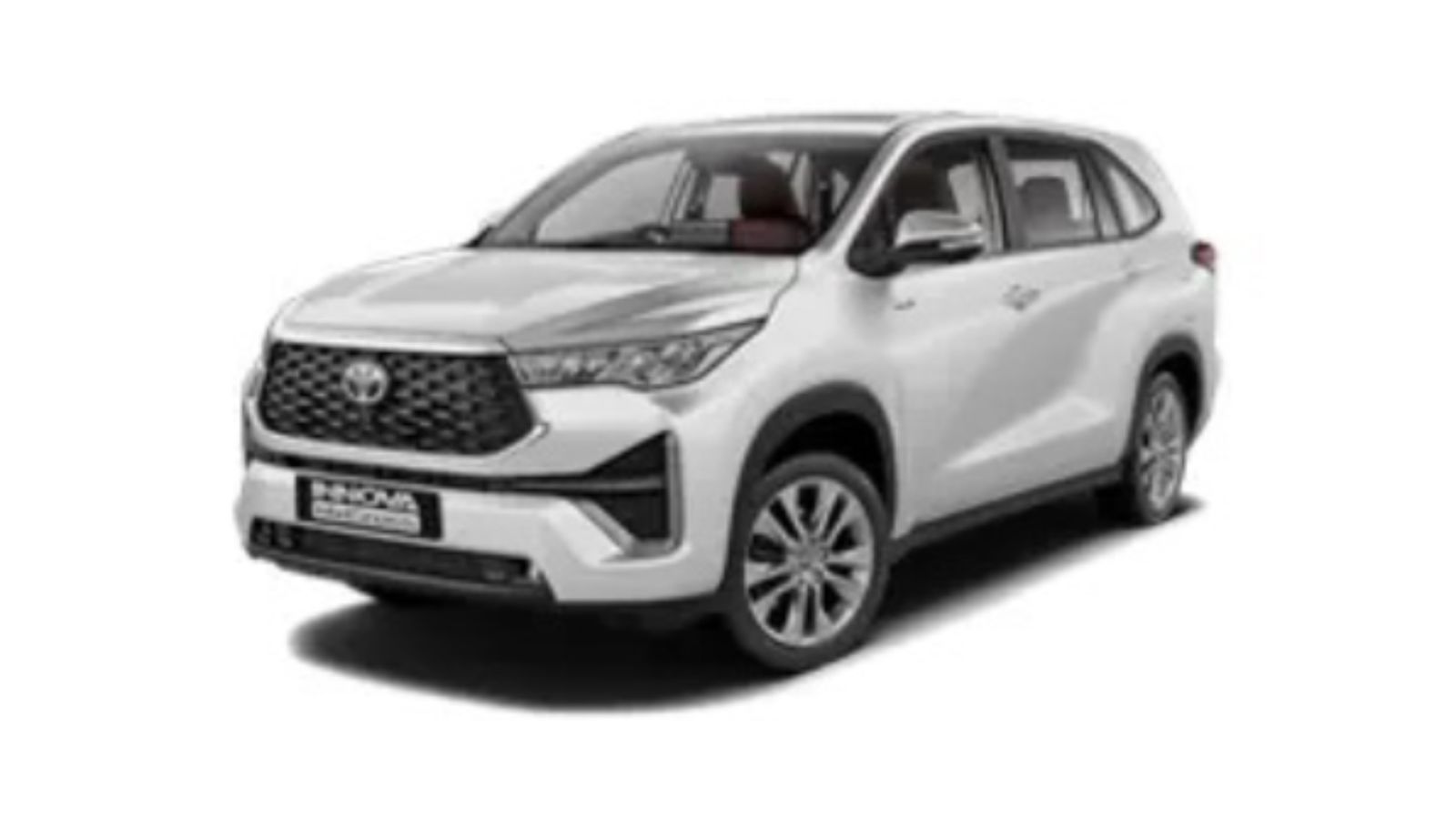
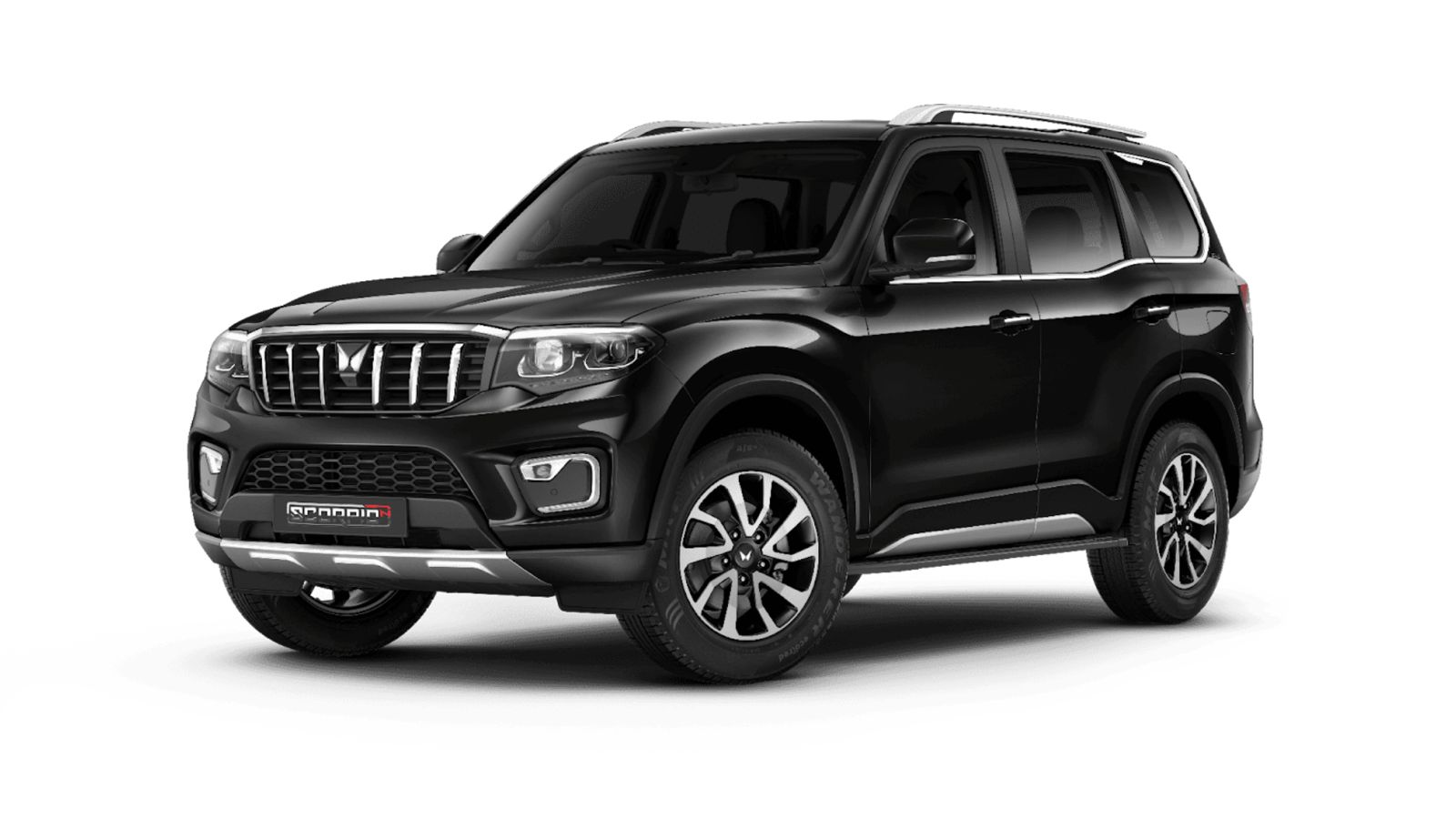
Petrol remains the bestselling powertrain in India in 2026, and for good reason. It is the most affordable option upfront, has the widest service network (including roadside mechanics in every corner of the country), and offers complete freedom from charging anxiety.
Running Costs
With petrol prices hovering around Rs. 100 per litre across major Indian cities, running a petrol car at 14 km/l (city mix) costs approximately Rs. 7 per kilometre. At 1,200 km per month, that is roughly Rs. 8,500 in fuel alone — plus servicing every 5,000–10,000 km with oil changes, spark plugs, and filters.
The Verdict on Petrol
Buy petrol if: you drive less than 800–1,000 km a month, frequently travel to remote areas without EV infrastructure, have a tight upfront budget, or simply want zero charging hassle. Petrol is still the most practical universal option for India.
Avoid petrol if: you have a long daily commute in the city, because fuel costs will add up fast over a few years compared to the alternatives.
Hybrid Cars: The Smart Middle Ground
Who Is It For?
Hybrid cars — particularly strong hybrids like the Toyota Hyryder, Maruti Grand Vitara, and Honda City e:HEV — have found a sweet spot in India’s 2026 market. They deliver real-world mileage of 22–28 km/l in city driving, require zero charging infrastructure, and offer a significantly lower running cost than petrol without the commitment of going fully electric.Running Costs
At 25 km/l city mileage, a strong hybrid costs around Rs. 4 per kilometre to run on petrol. That is nearly half the cost of a regular petrol car for city driving. There is no separate electric charging to worry about — hybrids self-charge using regenerative braking and the engine.Key Advantages of Hybrids in India
- Works everywhere: No charging infrastructure needed — just petrol pumps, which exist in every town and village
- Predictable costs: No surprise electricity tariff hikes or public fast-charger pricing
- Better resale value: Hybrids currently hold 15–20% better resale value than comparable EVs in the used car market
- Ideal for highway-heavy users: Hybrids maintain their fuel efficiency advantage even on long inter-city runs
- Lower EV battery risk: Hybrid batteries are smaller and cheaper to replace than full EV battery packs
The Verdict on Hybrids
Buy a hybrid if: you do 12,000–20,000 km per year with a mix of city and highway driving, want the lowest running cost without depending on charging, or frequently travel to Tier 2 cities and beyond where EV infrastructure is thin. Drawback: Hybrids cost 20–30% more than comparable petrol cars upfront and receive fewer government subsidies compared to full EVs.Electric Vehicles: The Future Is Now — But With Conditions
Who Is It For?
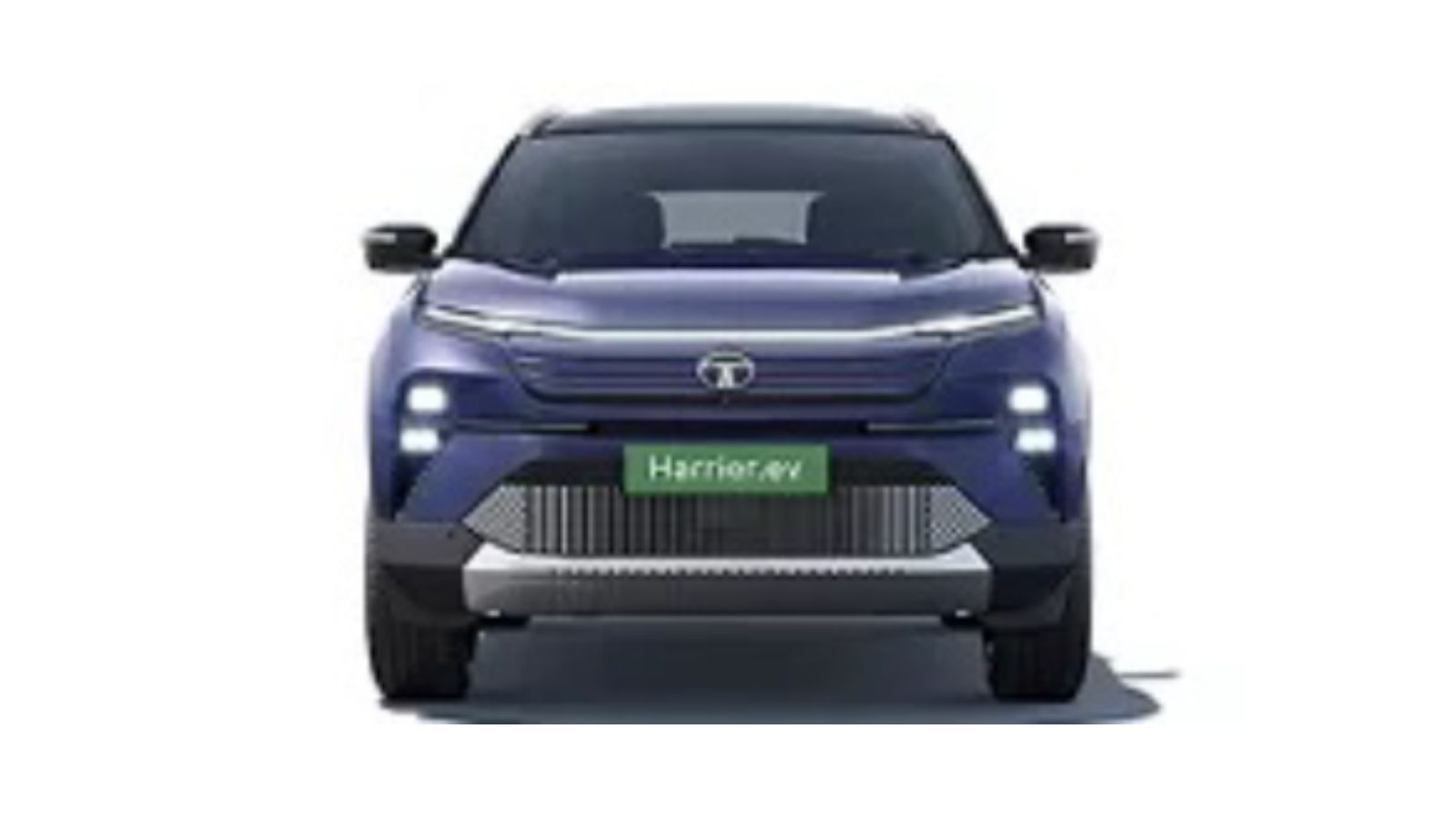
Electric vehicles are the best choice for high-mileage city commuters who have access to home charging. With petrol at Rs. 100 per litre and home electricity at around Rs. 8 per kWh, an EV running at 6 km/kWh costs roughly Rs. 1.3–1.5 per kilometre to charge at home. At 1,200 km per month, that translates to monthly charging costs of just Rs. 1,600–1,800 versus Rs. 8,500+ for petrol. That is a saving of nearly Rs. 80,000–90,000 per year on fuel alone.
The Real Running Cost Math
Monthly Cost (1,200 km) | Annual Fuel Cost | |
Petrol Car (14 km/l) | ~Rs. 8,500 | ~Rs. 1,02,000 |
Strong Hybrid (25 km/l) | ~Rs. 4,800 | ~Rs. 57,600 |
EV (home charging) | ~Rs. 1,700 | ~Rs. 20,400 |
EV (public fast charger) | ~Rs. 3,200 | ~Rs. 38,400 |
Challenges of EVs on Indian Roads
- Charging infrastructure outside metros remains uneven: highway fast chargers are improving but still unreliable in many Tier 2 and Tier 3 regions
- Public fast chargers cost Rs. 18–24 per unit — nearly 3x the domestic rate — which significantly reduces savings
- Range anxiety on long inter-city trips remains real, especially beyond the main national highways
- EV battery replacement cost in 7–10 years could be substantial
- Rising state electricity tariffs in 2026 are slowly eating into the running cost advantage
EV Incentives in India (2026)
EVs are taxed at just 5% GST versus 28% GST plus cess on petrol cars. States like Maharashtra offer subsidies of up to Rs. 2.5 lakh, while Delhi provides Rs. 1.5 lakh incentive plus zero road tax. The PM E-DRIVE scheme with a budget of Rs. 10,900 crore is actively pushing EV adoption and charging infrastructure across the country.
Buy an EV if: you drive 1,200 km or more per month in the city, have reliable home or office charging, live in a metro or well-connected Tier 1 city, and plan to own the car for at least 4–5 years. The long-term savings are undeniable — by 1,00,000 km, an EV can save Rs. 2–3 lakh over petrol.
Think carefully before buying an EV if: you regularly drive to remote areas, do not have a dedicated home charger, or drive less than 800 km a month.
So, Which One Should You Actually Buy?
Your Profile | Best Powertrain | Why |
City commuter, 1,200+ km/month, home charger | Electric (EV) | Lowest running cost, smooth drive, long-term savings |
Mixed city + highway, travel to Tier 2 cities | Strong Hybrid | No charging anxiety, best all-round efficiency |
Low mileage (<800 km/month) or remote areas | Petrol | Lowest upfront cost, works everywhere |
Long highway runs, budget-conscious | Petrol / Hybrid | Best highway consistency, no infrastructure risk |
Eco-conscious metro buyer, daily commute | EV | Zero tailpipe emissions, max fuel savings |
TorqueCulturee’s Final Take
The hybrid vs EV vs petrol debate in India does not have a single universal winner — and that is perfectly fine. India is a vast country with wildly different driving conditions, infrastructure maturity, and use cases. The right powertrain is the one that fits your life, not just the one that looks best on a spec sheet.
If you live in a metro and drive a lot, go electric without hesitation — the savings are real and the experience is genuinely superior. If you want the best of both worlds without betting on charging infrastructure, a strong hybrid is one of the smartest purchases you can make in India right now. And if you are keeping things simple and budget-friendly, there is absolutely nothing wrong with a modern, efficient petrol car.
What matters most is that you choose with clarity — based on your actual driving habits, not just what is trending. Drive smart, drive right, and keep it TorqueCulturee.
for more details stay tuned at torqueculturee.com
You can also read : Upcoming Toyota Cars in India
Related posts:
- Best Diesel Cars Under 10 Lakh in India 2026: High Mileage, Strong Torque, Real Value
- Volkswagen Taigun 2026 Facelift Revealed in India – Here are All Details
- Maruti e-Vitara vs Tata Sierra EV – Which Electric SUV Should You Buy in 2026?
- Top 10 Best Selling Cars in India – February 2026
- Top 5 Affordable EVs Coming Under ₹15 Lakh in India (2026)