
Upcoming Toyota Cars in India – The Indian automotive market is undergoing a massive transformation, driven by electrification, hybrid adoption, and growing demand for feature-rich SUVs. Toyota, traditionally known for reliability and strong resale value, is now aggressively evolving its portfolio to stay competitive against rivals like Tata, Mahindra, and Hyundai.
After crossing over 3 lakh annual sales in India, Toyota is shifting gears with a dual strategy:
- Strong hybrid expansion (Hyryder success model)
- Entry into mass-market EVs (critical for future growth)
What’s interesting is that Toyota is not rushing blindly into EVs. Instead, it’s taking a balanced approach, combining EVs, hybrids, and ICE upgrades — which could actually be a smarter long-term strategy for India.
Let’s explore the confirmed and expected upcoming Toyota cars in India.
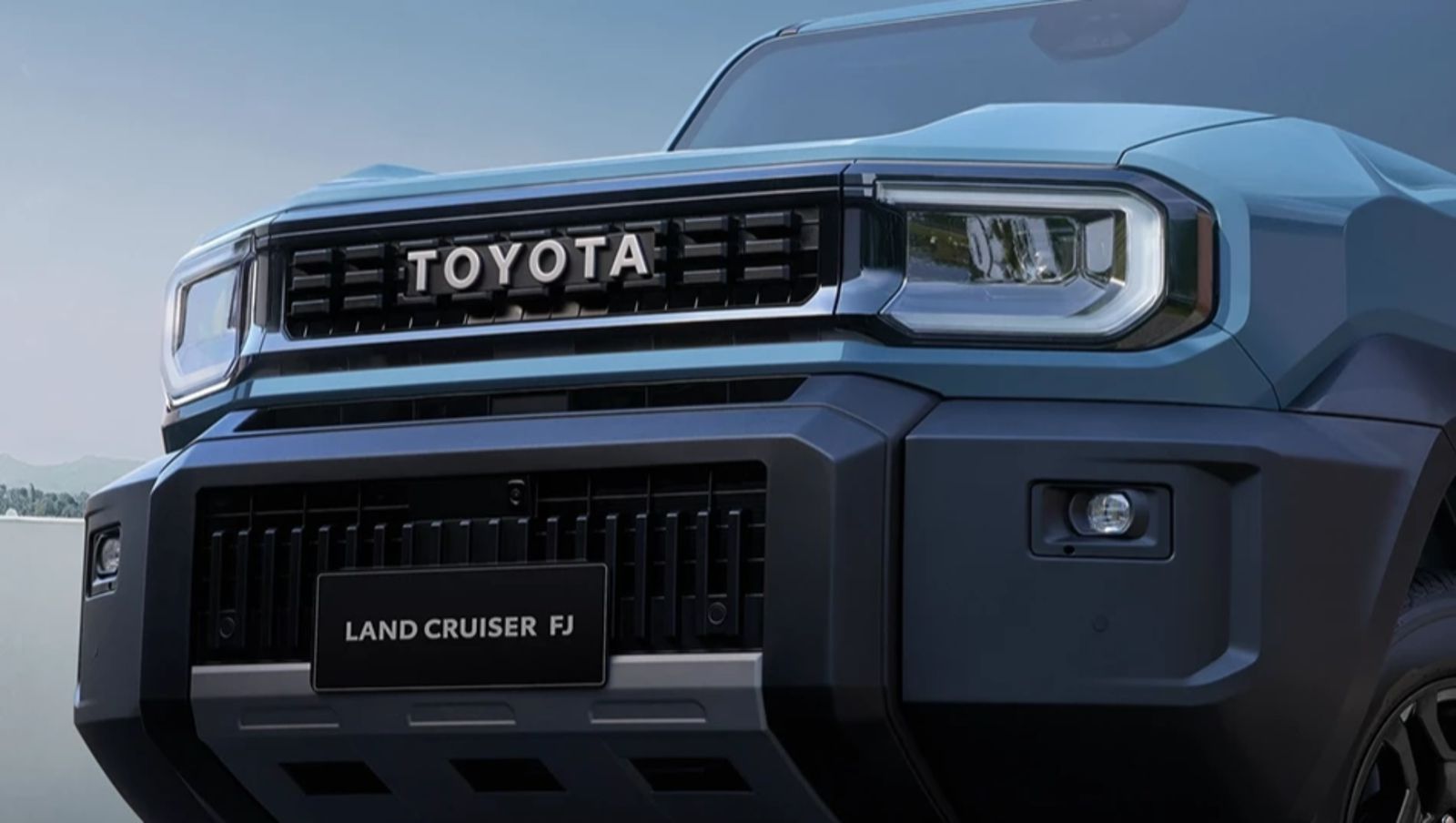
Upcoming Toyota Cars in India – Data Table
| Model | Expected Price | Launch Timeline | Segment | Powertrain |
|---|---|---|---|---|
| Urban Cruiser EV (Ebella) | ₹16–21 lakh | April 2026 | Mid-size SUV | Electric |
| Fortuner Facelift 2026 | ₹34–49 lakh | June 2026 | Premium SUV | Diesel/Petrol |
| Hyryder 7-Seater | ₹21–26 lakh | Oct 2026 | 3-row SUV | Hybrid |
| Toyota bZ4X | ₹60–65 lakh | Dec 2026 | Premium EV SUV | Electric |
| Mini Fortuner / Land Cruiser FJ | ₹20–27 lakh | 2027–2028 | Lifestyle SUV | ICE/Hybrid |
Deep Dive: Key Upcoming Toyota Cars
1. Toyota Urban Cruiser EV (Ebella) – The Game Changer
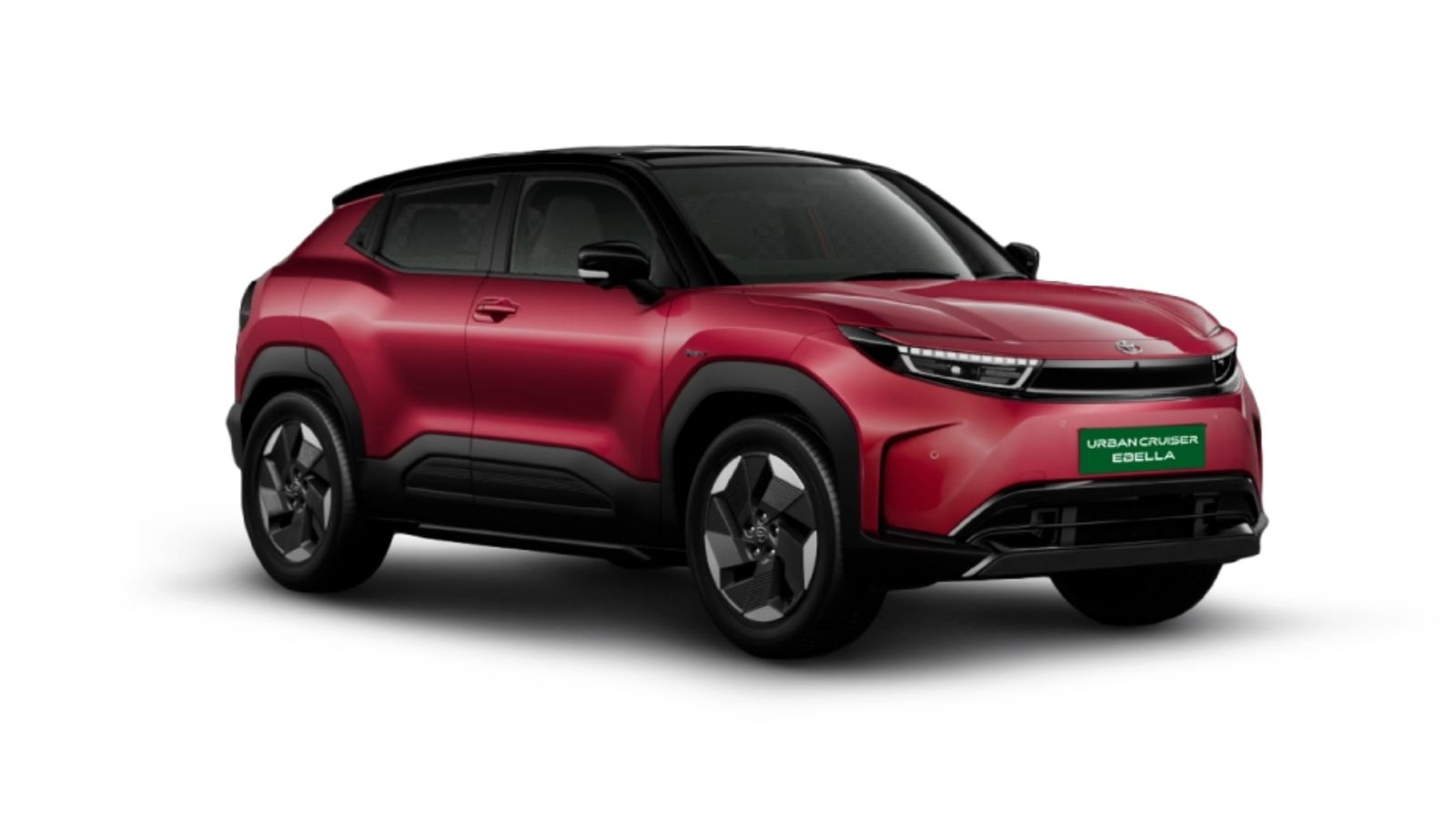
Toyota’s first mass-market EV in India is expected to be a defining product.
Key Highlights:
- Expected 500+ km range
- Based on a new EV platform (likely shared ecosystem with Suzuki)
- Premium features like:
- Panoramic sunroof
- Ventilated seats
- Advanced driver assistance systems
Real-World Insight:
Toyota is late to EVs in India compared to Tata. But this delay might work in its favor — offering better battery reliability and refinement, areas where early EVs still struggle.
👉 This car will directly rival:
- Tata Curvv EV
- Hyundai Creta EV
2. Toyota Fortuner Facelift 2026 – Evolution, Not Revolution
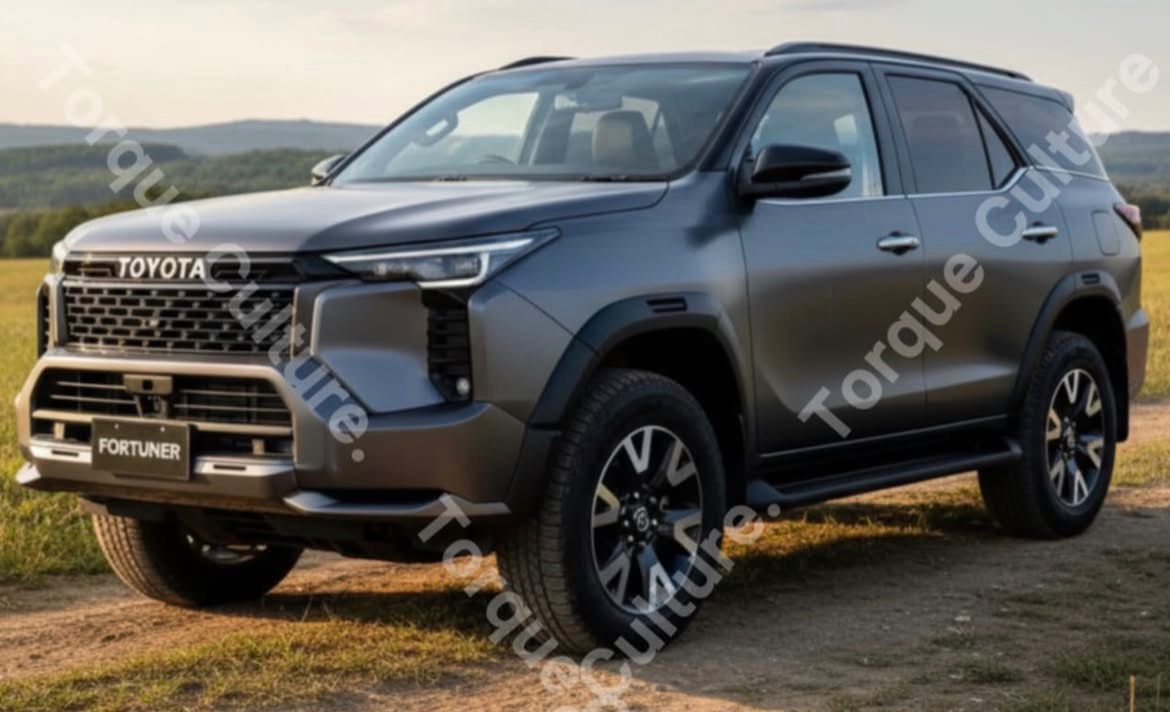
The Fortuner continues to dominate India’s premium SUV segment — and Toyota knows not to mess with a winning formula.
Expected Changes:
- More muscular design
- Larger touchscreen + digital cluster
- Improved safety tech
- Minor engine tweaks (same diesel focus likely)
Recent spy reports suggest a major design overhaul and platform upgrade is in progress.
Analysis:
Toyota is playing safe here. Instead of electrifying the Fortuner immediately, it is focusing on:
- Brand loyalty
- Proven diesel demand
- Incremental premium upgrades
Smart move? Yes — because diesel SUVs still dominate this segment in India.
3. Toyota Hyryder 7-Seater – Family Market Expansion
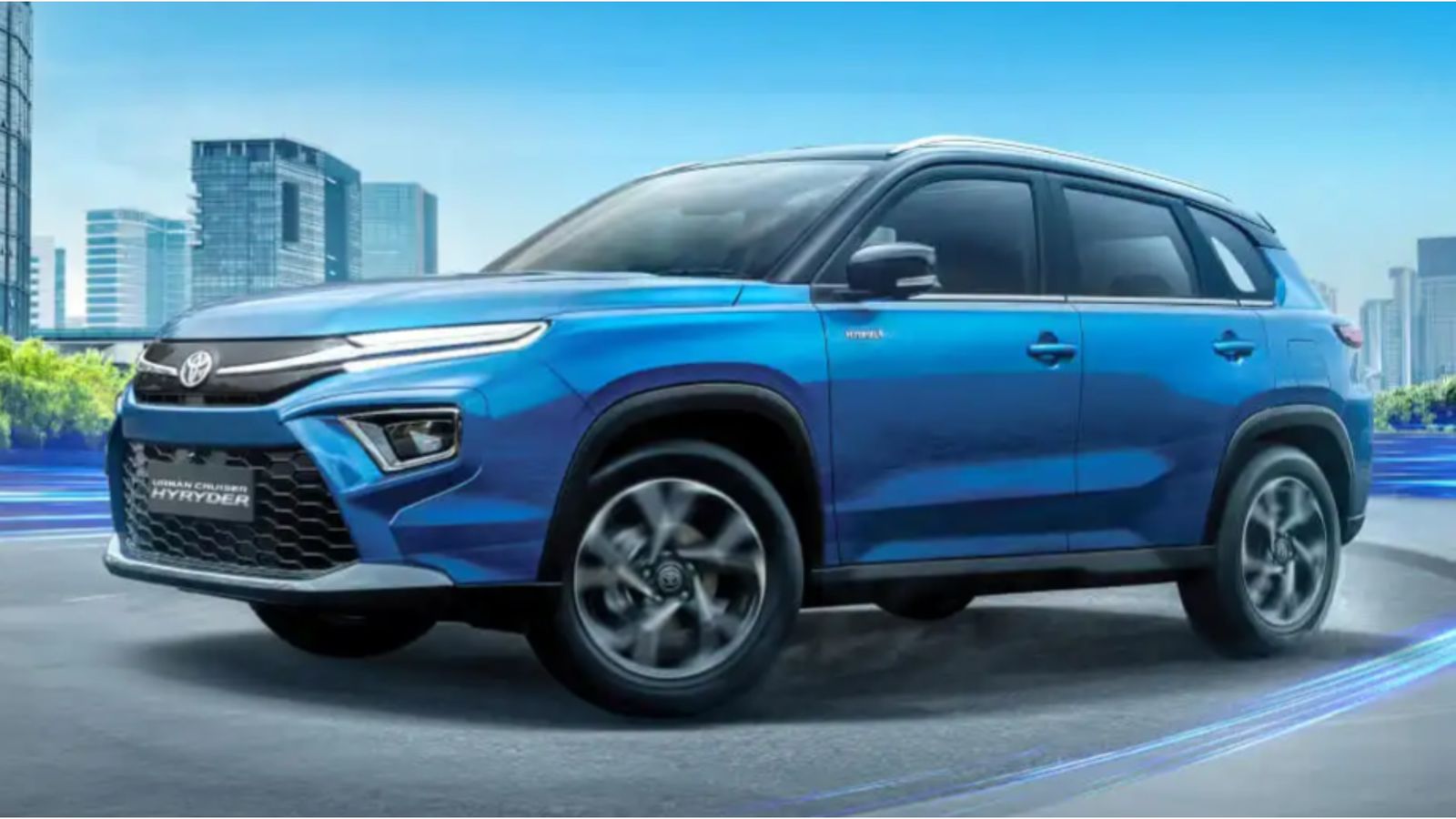
The Hyryder has already proven Toyota’s hybrid strategy works in India. Now, a 7-seater version aims to capture family buyers.
Key Expectations:
- Same strong hybrid system
- Better cabin space
- More premium interiors
Why It Matters:
This could become a direct rival to Alcazar, Safari, and XUV700 hybrid alternatives.
Insight:
Toyota is targeting a huge gap in India — affordable 3-row hybrid SUVs.
4. Toyota bZ4X – Premium EV Entry
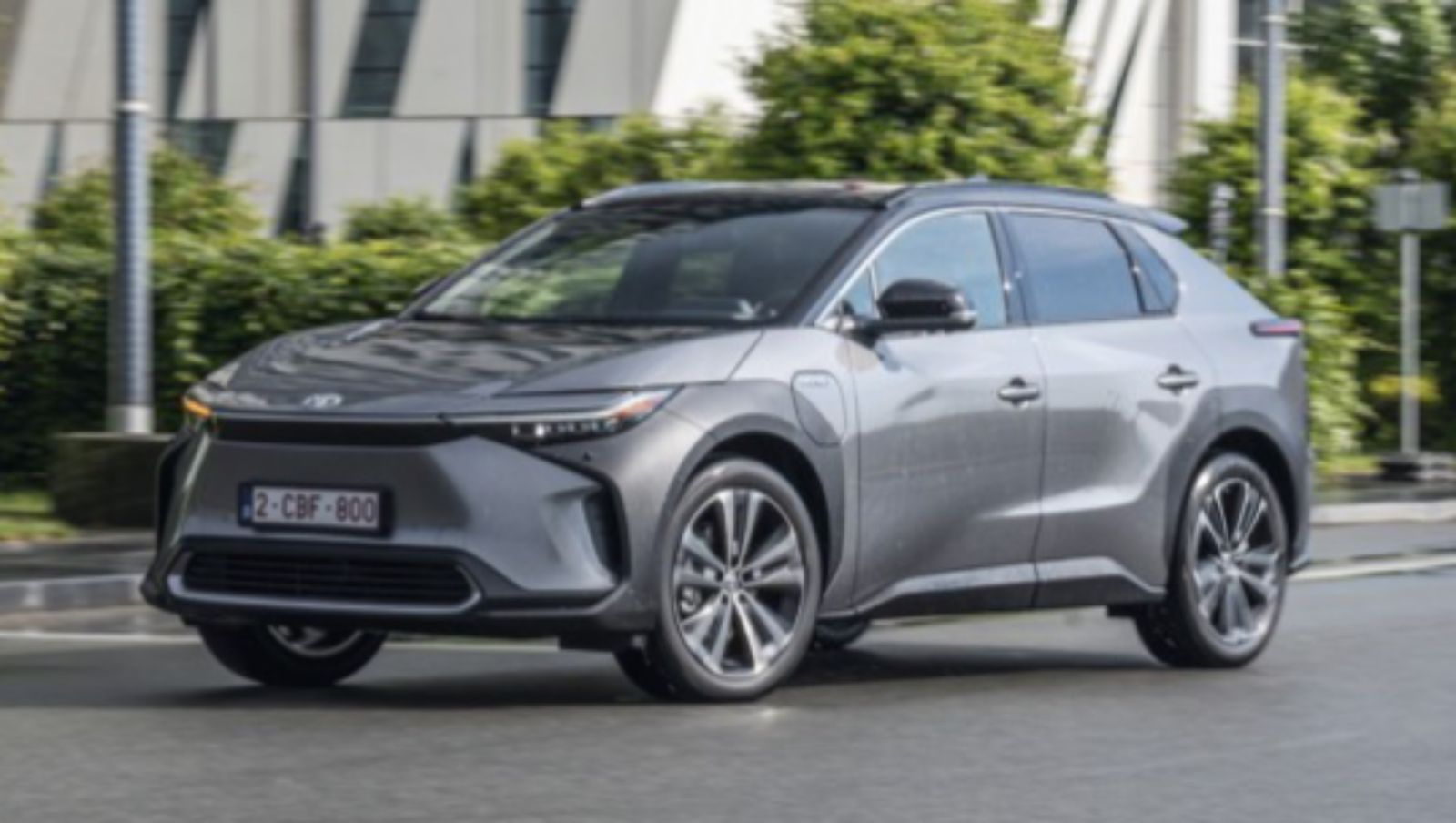
Toyota’s global EV, the bZ4X, is expected to enter India as a flagship electric SUV.
Highlights:
- Expected price: ₹60–65 lakh
- AWD option (global spec)
- Futuristic design + Toyota reliability
Market Position:
- Competes with:
- Kia EV6
- Volvo XC40 Recharge
Expert Take:
This is not a volume product. It’s a brand builder, showcasing Toyota’s EV capability.
5. Land Cruiser FJ – Lifestyle SUV Play
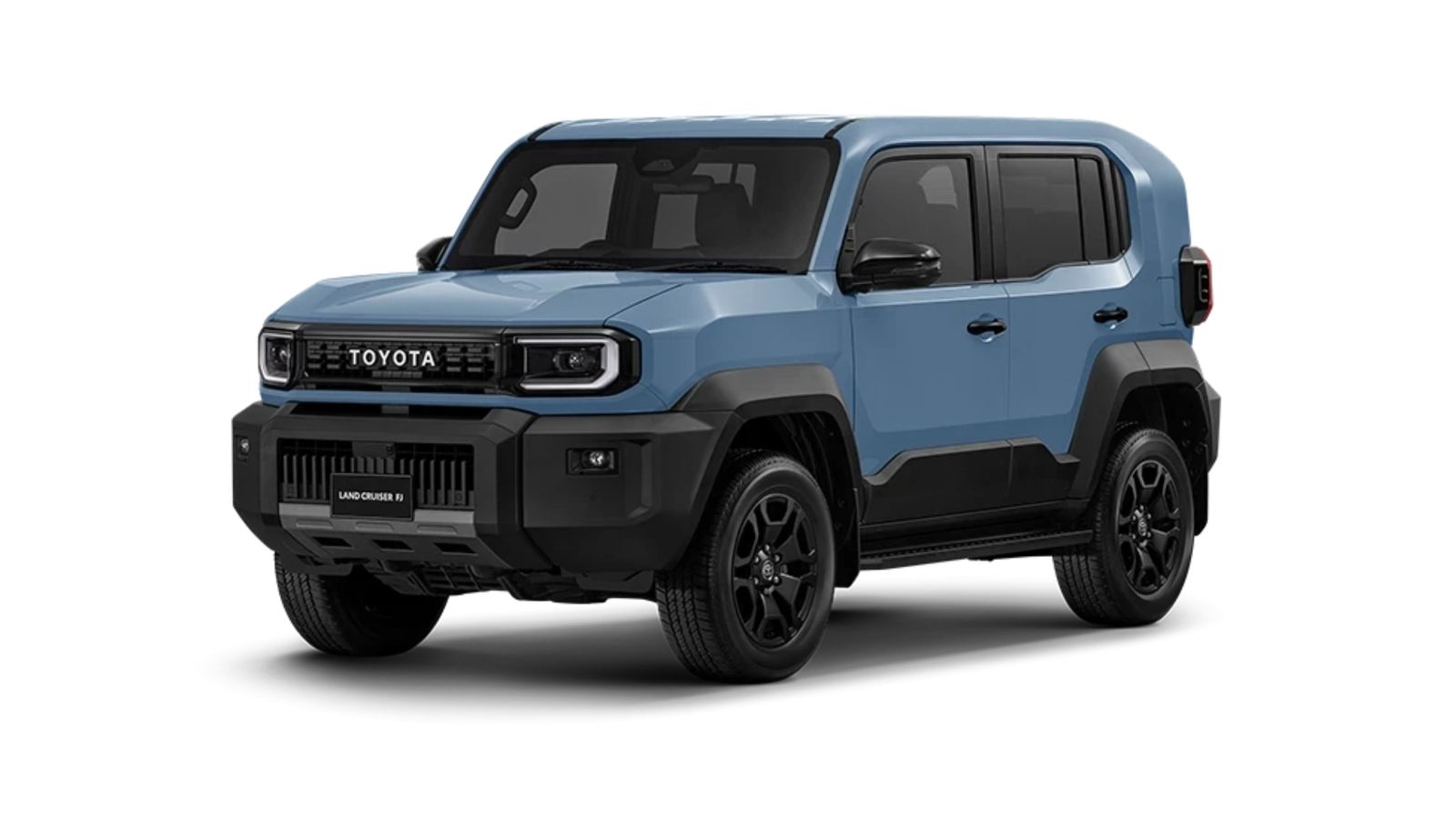
Toyota is planning a compact off-roader, often referred to as a “Mini Fortuner”.
Expected Highlights:
- Ladder-frame chassis
- True off-road capability
- Affordable Fortuner alternative
Insight:
India lacks affordable hardcore off-road SUVs, and Toyota could dominate this niche.
Feature & Technology Breakdown
Across its upcoming lineup, Toyota is focusing on:
1. Electrification Strategy
- EVs (Ebella, bZ4X)
- Strong hybrids (Hyryder)
2. Safety Upgrades
- ADAS expected in premium models
- Stronger build quality (Toyota DNA)
3. Premiumization
- Larger infotainment systems
- Connected tech
- Ventilated seats, panoramic roofs
4. Platform Strategy
- Shared platforms with Suzuki (cost efficiency)
- Global TNGA platform for premium cars
Buyer Perspective: Should You Wait?
Who Should Wait:
- Buyers planning EV purchase in ₹15–25 lakh range
- SUV buyers waiting for reliable hybrid options
- Fortuner fans looking for updated model
Who Should Not Wait:
- Immediate buyers (Toyota launches are often delayed)
- Budget buyers under ₹10 lakh (Toyota not focusing here)
Pros & Cons of Toyota’s Upcoming Strategy
Pros:
- Strong hybrid leadership
- Reliable engines and resale value
- Smart EV timing (not rushed)
- Expanding SUV dominance
Cons:
- Late EV entry vs Tata & Mahindra
- Expensive pricing strategy
- Limited budget offerings
Is Toyota Future-Ready?
Toyota’s India strategy is not flashy — but highly practical.
Instead of aggressively chasing EV headlines, Toyota is:
- Building a hybrid-first ecosystem
- Introducing EVs gradually
- Strengthening its SUV portfolio
This approach may not make headlines, but it ensures:
Long-term reliability
Better ownership experience
Strong resale value.
for more details stay tuned at torqueculturee.com
You can also read : 2026 VinFast Limo Green
For more updates you can FOLLOW Us ON : INSTAGRAM | YOUTUBE
Related posts:
- Volkswagen Polo EV 2026 – All Details, Expected Launch Date
- Tata Sierra EV 2026 Testing in India – Launching Soon!
- Renault Triber 2026 India – Updated Design, More Features & Still the Most Affordable 7-Seater
- Honda Cars India Price Hike from April 2026 – What Buyers Need to Know
- Hyundai’s New Budget Electric SUV Spotted Testing in India – Creta EV Rival in the Making?
Pingback: 2026 Royal Enfield Hunter 350 Launch in India – ₹1,49 Lakh
Pingback: Best Cars Under ₹10 Lakh in India 2026 – Top 5 Budget Cars
Pingback: MG Majestor Launch Date 2026 Confirmed – Fortuner Rival!
Pingback: Maruti e-Vitara vs Tata Sierra EV 2026 - best electric SUV
Pingback: Best Diesel Cars Under 10 Lakh in India 2026: High Mileage!
Pingback: Hybrid vs EV vs Petrol: Best Car You Should Buy in 2026
Pingback: BMW F 450 GS India Launch April 23, 2026: Price, Specs!
Pingback: Chery QQ3 EV India Launch 2026 - Price, Range & Everything..
Pingback: VinFast VF MPV 7 – Best Electric 7-Seater MPV at ₹24.49 Lakh
Pingback: Volkswagen Taigun 2026 Facelift: Variant-Wise Prices